




In the heart of the Amazon rainforest lies OAKVILLE. This is where we produce OAKBERRY's açaí – the world's best organic açaí.
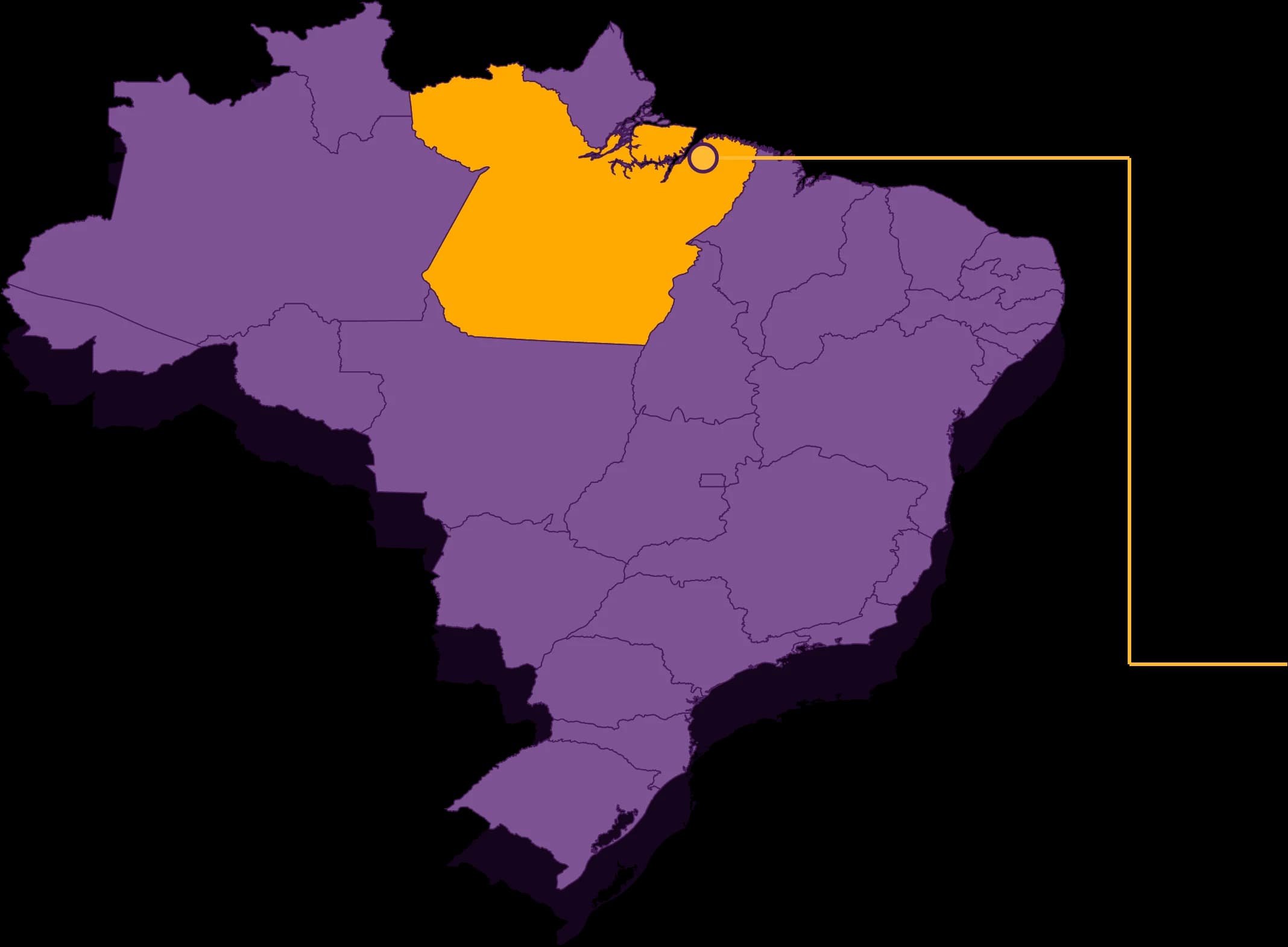
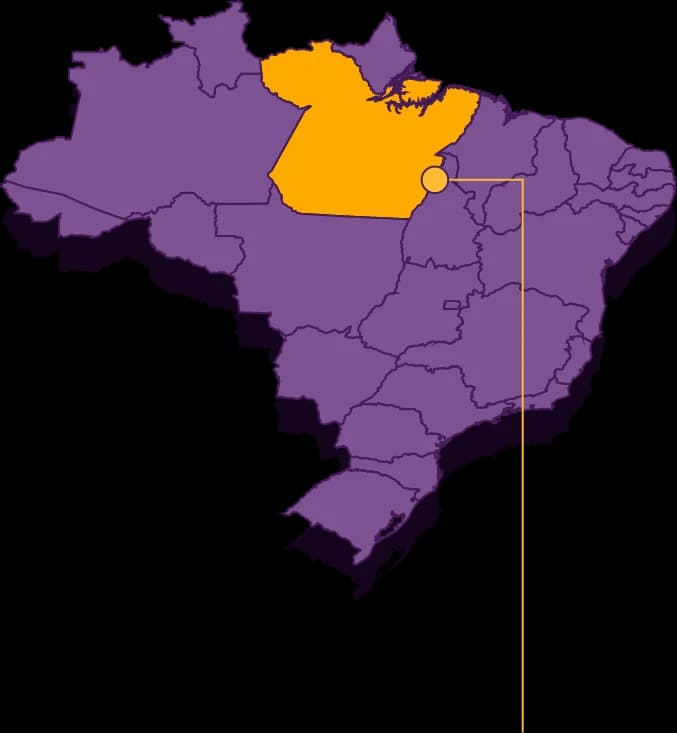


Santa Izabel do Pará
Pará, Brazil
A small town in northern Brazil. Its economy is based on agriculture – above all, the açaí harvest.




Every step of our production is designed to ensure the best açaí quality, strengthen the local economy and improve the wellbeing of rural communities in northern Brazil.
Our açaí is sustainably sourced and goes through several sorting and cleaning stages. This guarantees the best quality, flavour, texture and experience for our customers all over the world.


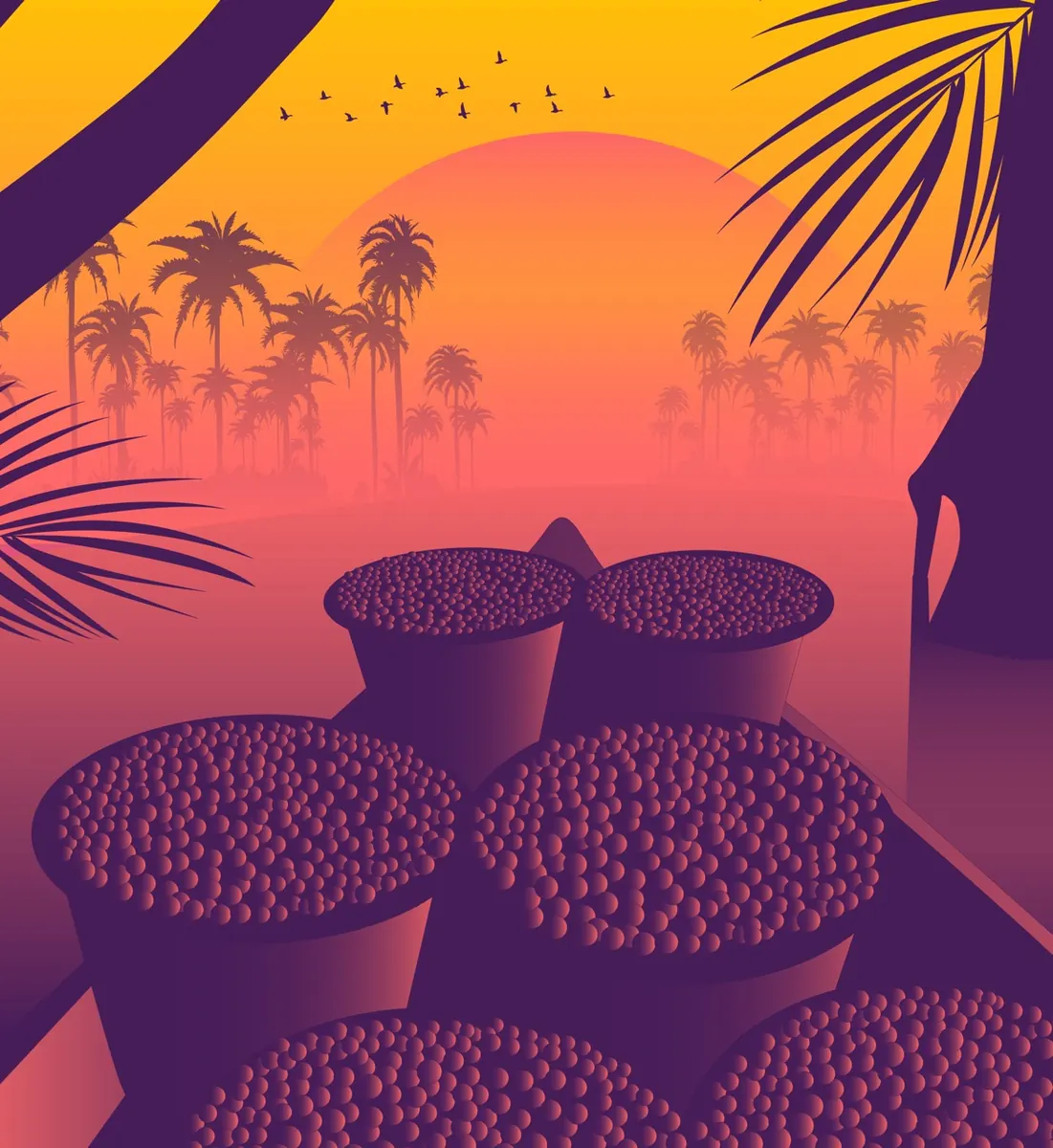
The raw açaí berries arrive at our factory

The açaí goes through our sorting and processing stages and becomes our famous sorbet recipe.

Once the product is finished, it's ready to be shipped to OAKBERRY stores all over the world!


OAKVILLE and OAKBERRY's açaí are certified by major food organisations – a guarantee of pure, high-quality açaí. More are coming soon!




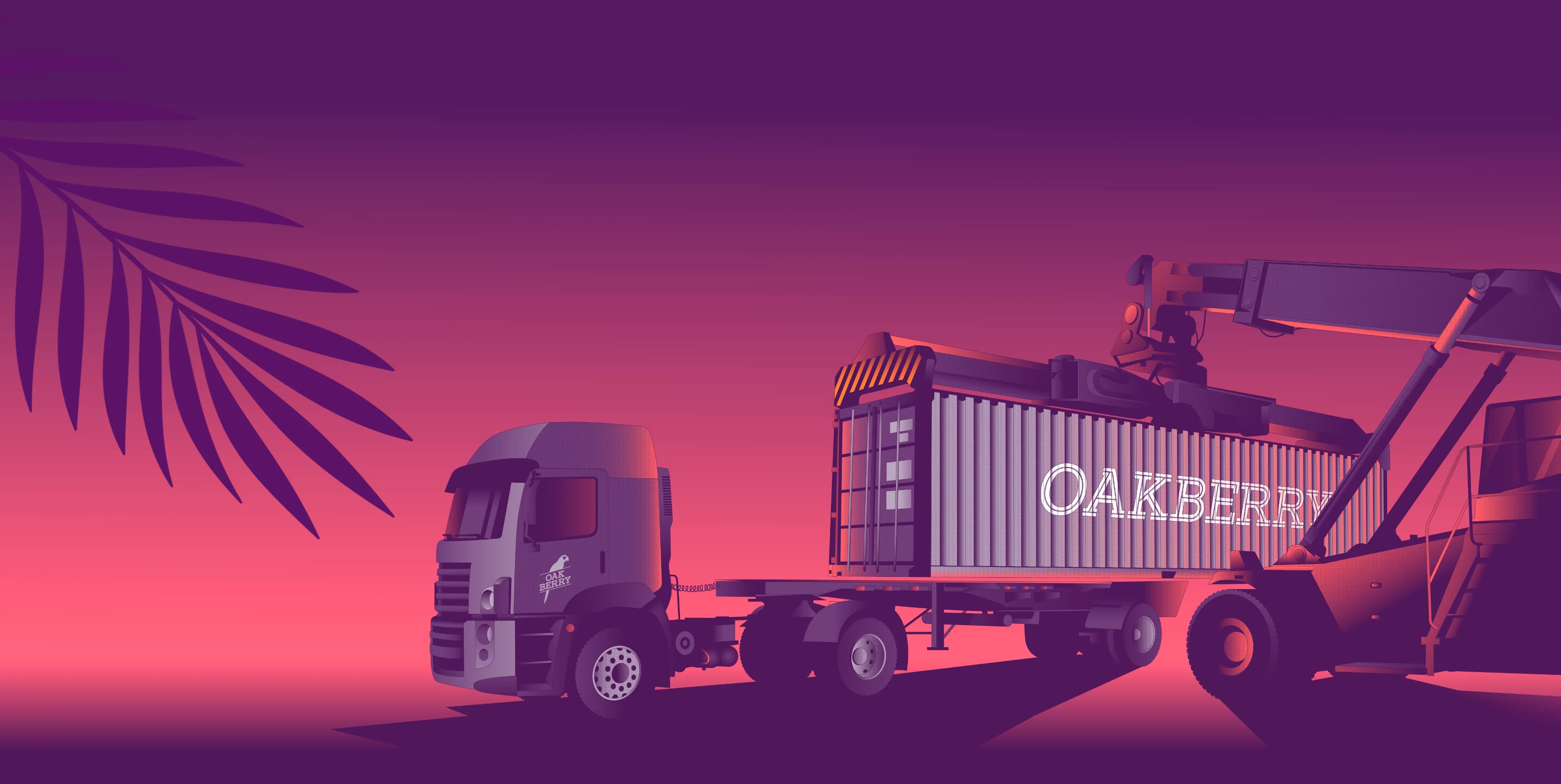
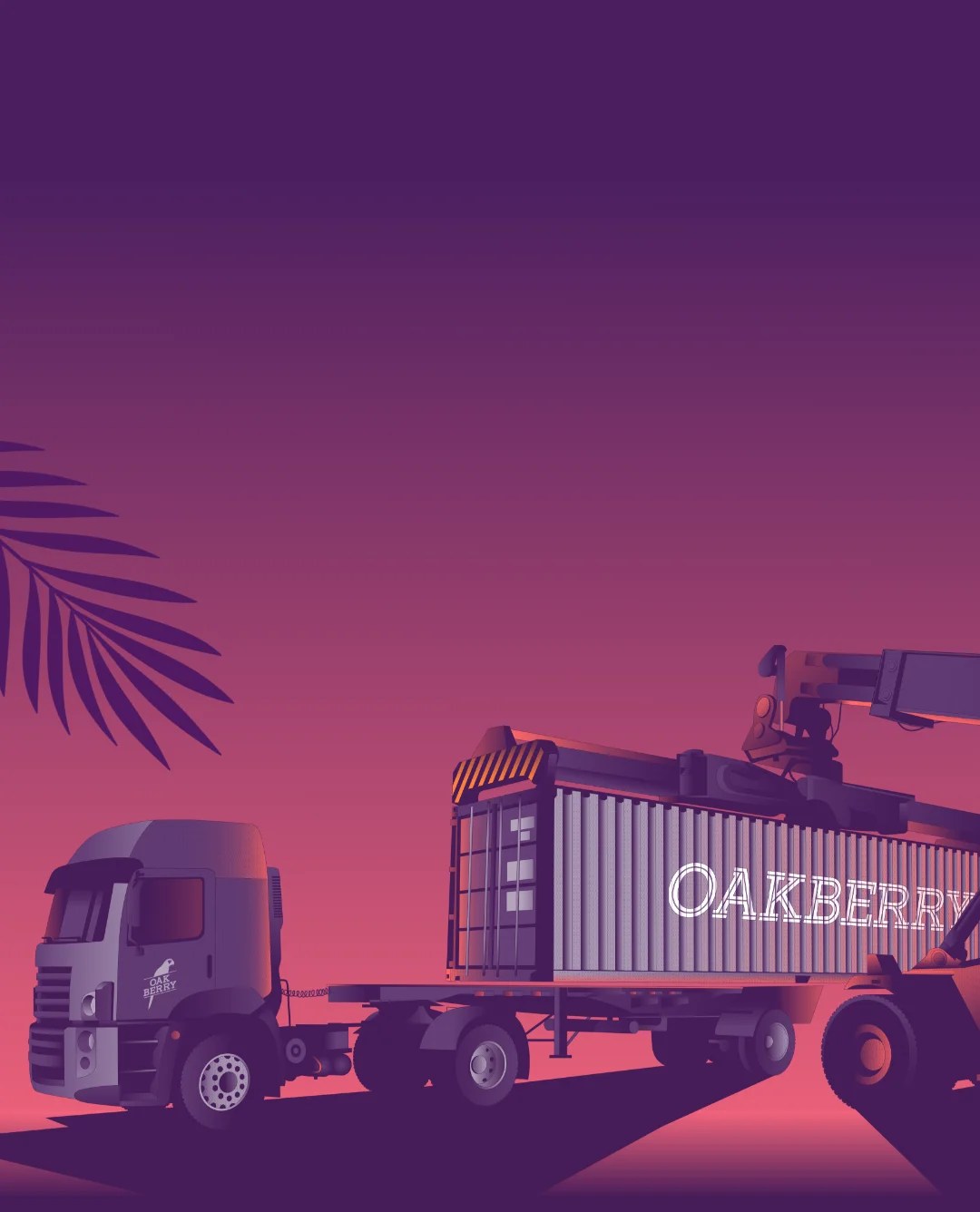
Once our açaí has met our high standards, it's ready to be shipped to OAKBERRY stores all over the world.




Just as important as our process are the opportunities the açaí cycle creates for local communities.
Açaí production is the biggest driver of the local economy and the main source of income and wellbeing for the families living along the river.


The Amazon rainforest
keeps thriving
Sustainable açaí production allows the Amazon rainforest to keep thriving and preserve its lush nature – while creating more opportunities for the families living along the river.From the Amazon to your spoon
 1
Picked by hand
Ripe berries are hand-harvested from the palms of the Amazon.
 2
Our own factory
At OAKVILLE in Pará we process the berries ourselves – 100% organic and certified.
 3
Frozen and shipped
The sorbet is frozen and shipped to our stores – with no guaraná syrup and no colourings.
 4
Your bowl
We blend, you pick the layers. Unlimited toppings – your bowl, your rules.
Quality and Food Safety Policy – OAKBERRY
Flor de Açaí Indústria, Comércio e Exportação de Polpas de Frutas LTDA (OAKBERRY) produces and markets açaí sorbet based on the following principles:
- - Continuous improvement of our processes, products and services;
- - Producing açaí sorbet safely and to a high standard of quality, avoiding losses and waste;
- - Meeting legal and customer requirements;
- - Developing our employees' skills and training through a positive food safety culture;
- - Effective communication with employees and stakeholders; and
- - Critical review and analysis of our food safety management system.